
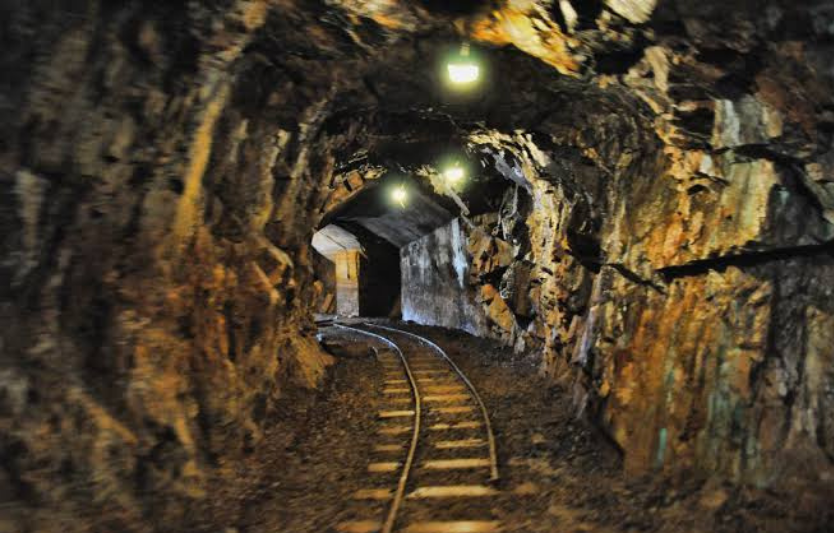
The Britannia Mine Museum offers visitors an opportunity to explore the industrial heritage of one of the most important historic mining sites on the Pacific coast. Developed around the preserved remains of a former copper mining operation, the museum connects large-scale industrial structures, underground spaces, machinery and historical interpretation in a setting shaped by the mountains of Howe Sound. Rather than presenting mining history only through objects behind glass, the site allows visitors to experience the physical scale of an industry that influenced local employment, engineering and community development for much of the twentieth century. Today, the Britannia Mine Museum serves both as a heritage attraction and as an educational resource for understanding how mineral extraction and processing contributed to regional development.
For people interested in engineering, geology, labour history or industrial architecture, the museum provides several different perspectives on the mining industry. Historical buildings demonstrate how ore was processed, while equipment and interpretive exhibits explain the technologies that supported production. The location itself is equally important: steep mountain slopes, proximity to the coast and the remains of industrial infrastructure help explain why the former mine developed in such a distinctive way. A visit therefore combines museum interpretation with the experience of exploring an authentic industrial landscape.
From Working Copper Mine to Museum
The origins of the museum are inseparable from the former copper mine that operated at Britannia for decades. Mineral discoveries in the surrounding mountains led to the development of an increasingly large industrial operation, requiring underground workings, transportation systems, processing facilities and accommodation for workers. Over time, the site became a major centre of copper production and supported communities whose economic and social lives were closely connected with mining.
When mining operations ended in 1974, many of the buildings and pieces of industrial infrastructure remained. The closure created an important question about the future of the site. Large industrial complexes can quickly disappear once their original economic function ends, particularly when machinery is removed and buildings are demolished or abandoned. Preservation efforts helped ensure that significant elements of the Britannia site survived. The creation and subsequent development of the Britannia Mine Museum gave the former industrial complex a new purpose based on heritage, education and public interpretation.
The Historic Mill No. 3
Among the most recognizable features of the site is Mill No. 3, a large concentrator building constructed on the mountainside. Its striking form reflects the practical requirements of mineral processing as well as the challenging geography of the area. The building was designed so that ore could move through different stages of processing within a structure adapted to the steep natural slope. Its size provides an immediate sense of the scale of the former mining operation.
Inside and around the mill, visitors can learn about the processes once used to separate valuable minerals from large quantities of rock. Crushing, grinding and concentration were essential stages between underground extraction and the production of a marketable copper concentrate. Preserving this structure allows the mining museum BC experience to go beyond photographs and written explanations. Visitors can observe the architecture and industrial environment in which these processes took place, making the technical history easier to understand.
Exploring the Underground Mining Experience
Underground mining is difficult to appreciate fully without seeing the physical environment in which miners worked. One of the distinctive aspects of the Britannia Beach Mine Museum experience is the opportunity to learn about underground operations within a setting directly associated with the historic mine. The tunnels and interpretive elements demonstrate some of the practical challenges workers faced when extracting ore from inside the mountain.
The underground experience also introduces visitors to the equipment and methods associated with historical mining. Drilling, blasting, transporting rock and maintaining underground workings required specialized knowledge and coordinated labour. Conditions could be noisy, physically demanding and very different from those experienced by workers on the surface. By presenting these elements in a preserved mining environment, the museum provides valuable context for understanding the human side of industrial production.
Machinery, Minerals and Mining Exhibits
The museum’s collections and exhibits expand the story beyond the underground workings. Mining required an enormous variety of machinery and tools, from equipment used to break and transport rock to systems designed for processing ore. Preserved objects help illustrate how industrial technology changed over time and how different stages of production depended on one another. Visitors can also explore the geological foundations of mining and learn why particular minerals became commercially important.
These displays make the Britannia Mine Museum relevant to visitors with different interests and levels of technical knowledge. Someone interested primarily in local history can learn about the community that developed around the operation, while visitors interested in engineering can focus on machinery, processing systems and industrial design. Geological interpretation provides another dimension by connecting the industrial story with the natural processes responsible for creating mineral deposits.
The People Behind the Mining Industry
Machines and industrial buildings tell only part of the story. Thousands of individual experiences contributed to the development of the mine and the surrounding community. Miners worked underground, while mechanics, engineers, equipment operators and processing workers maintained the complex production system. Families lived near the industrial site and depended on local housing, transportation, schools, shops and recreational facilities.
Museum interpretation helps connect the surviving industrial landscape with these personal histories. This is particularly important because abandoned industrial structures can appear impersonal without information about the people who used them. At the Britannia Beach Mine Museum, the broader story includes working conditions, community life and the relationship between the mine and the people who depended on it. This human perspective turns industrial heritage into a social history as well as a technological one.
Learning About Copper Processing
Copper mining involved much more than simply removing ore from the ground. Extracted rock generally contained only a portion of economically valuable minerals, which meant that large quantities of material had to be processed. After ore reached the surface, it passed through mechanical stages designed to reduce its size and separate valuable mineral particles from unwanted material.
The historic concentrator provides a particularly useful setting for explaining this process. Visitors can see how the design of an industrial building was directly related to the sequence of production. Equipment, gravity, transportation systems and carefully organized processing stages worked together to handle substantial volumes of material. This aspect of the mining museum BC story demonstrates how mining depended on engineering disciplines extending far beyond underground excavation.
Environmental History and Mine Remediation
Modern understanding of mining heritage also includes the environmental consequences of historical resource extraction. Industrial practices used during much of the twentieth century operated under standards very different from those expected today. Former mine workings and waste materials can continue interacting with water and the surrounding environment long after commercial production ends.
The Britannia site provides an opportunity to examine this environmental legacy alongside its technological achievements. Remediation and environmental management have become significant parts of the broader story of the former mine. Presenting these issues helps visitors understand that industrial heritage includes both economic contributions and long-term responsibilities. This perspective also connects historical mining with contemporary discussions about sustainable resource development and environmental protection.
What Visitors Can Discover Today
A visit to the Britannia Mine Museum can combine historical interpretation, industrial architecture, geology and interactive experiences. The preserved setting makes it possible to understand mining at several different scales, from individual tools and mineral specimens to enormous buildings and underground infrastructure. This variety makes the site accessible to families and general visitors while still providing substantial historical and technical context for people with a deeper interest in mining.
The experience is particularly valuable because so much of the interpretation takes place within an authentic industrial environment. Walking through historic spaces provides a different perspective from viewing mining objects in a conventional gallery. Visitors can consider how buildings were arranged, how workers moved through the site and how geography influenced industrial design. Anyone planning a visit should check current opening hours, tour schedules and available experiences directly with the museum before travelling, as visitor programs can change throughout the year.
Preserving an Important Industrial Landscape
Industrial heritage can be difficult to preserve because mining and manufacturing sites often contain enormous buildings and specialized infrastructure. Maintaining such structures requires considerable conservation work, yet their survival provides historical information that cannot easily be reproduced through documents or photographs. The Britannia site demonstrates why preserving industrial landscapes can be valuable for education and cultural heritage.
As a mining museum BC visitors can experience within the landscape of a former production site, Britannia connects local history with broader themes of industrialization, natural resources and technological development. The surviving structures show how engineering adapted to a difficult mountainous environment, while exhibits explain how industrial activity influenced workers, families and nearby communities.
Why Britannia Mine Museum Is Historically Significant
The importance of the Britannia Mine Museum comes from the combination of place, architecture, technology and human history preserved at the site. Visitors are not simply learning about a former copper mine in an abstract way. They are exploring a landscape where mining infrastructure once operated on a major scale and where communities developed because of the economic opportunities created by mineral resources.
Today, the museum provides a bridge between the industrial past and contemporary understanding of mining. Its historic structures, exhibits and educational experiences preserve knowledge about copper production while encouraging discussion about engineering, labour, community development and environmental responsibility. By maintaining this connection with the past, the museum ensures that the history of Britannia remains accessible to future generations and that an important chapter of industrial heritage continues to be understood rather than forgotten.